

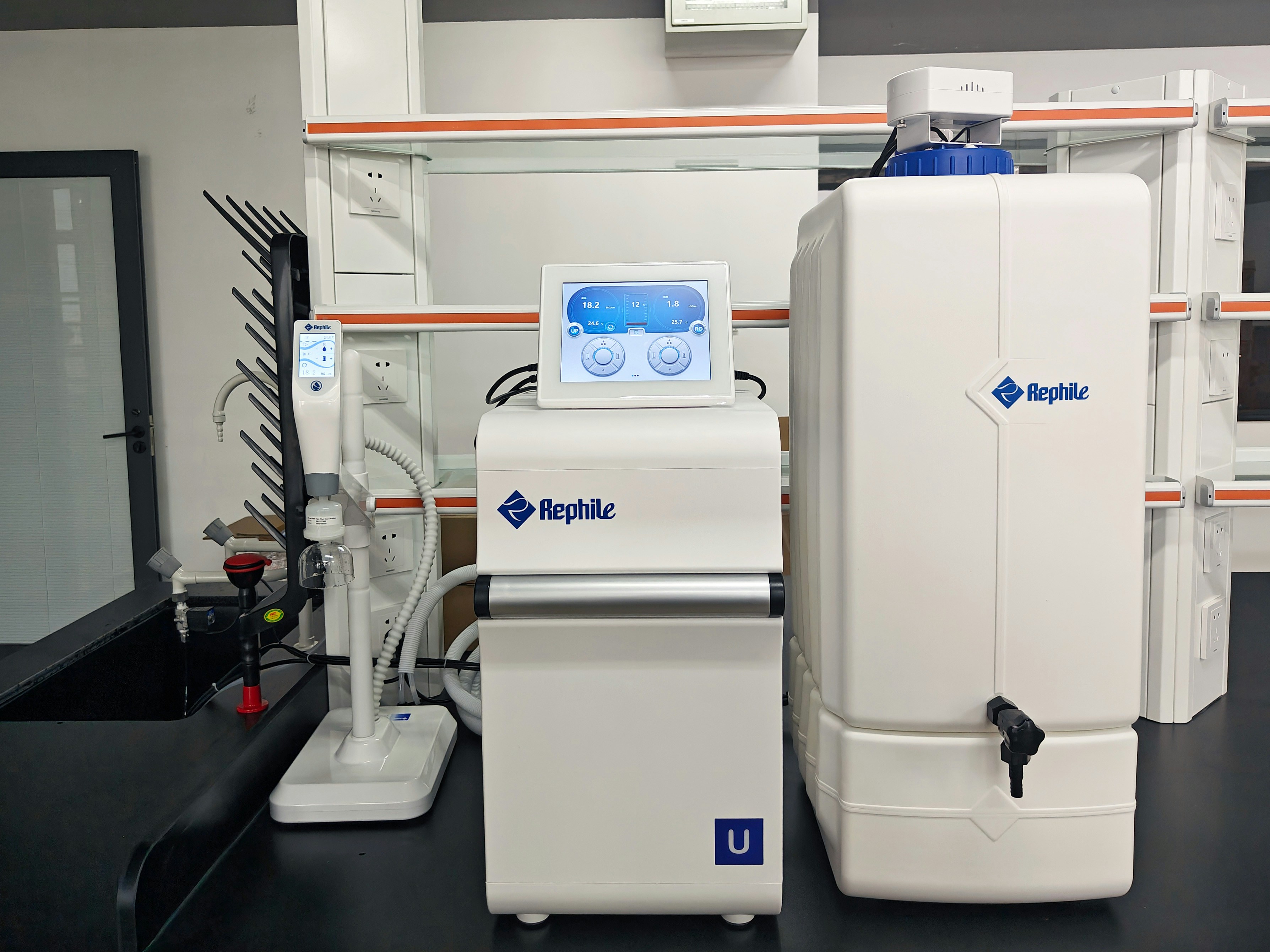
Introduction to Sydney’s Water System
Sydney, a vibrant metropolis in Australia, relies heavily on a robust water system that caters to the needs of its residents and industries. The importance of this system cannot be overstated, as it ensures a consistent supply of clean, potable water while also managing waste and preserving the environment. At its core, Sydney’s water system comprises various sources of supply, including rainfall, rivers, dams, and underground aquifers, highlighting the city’s investment in infrastructure and sustainability.
The water supply for Sydney comes primarily from a series of catchment areas that collect rainwater, funneled into several major reservoirs such as Warragamba Dam. This system not only depends on natural precipitation but also emphasizes the strategic management of these resources to meet the growing demand of the city’s population. Additionally, Sydney Water, the principal utility provider, plays a critical role in ensuring that water treatment processes are both effective and efficient, thereby safeguarding public health.
This blog post will explore various aspects of Sydney’s water system, including the intricacies of water purification and the significance of water conservation practices. As urban demand for water continues to rise, understanding how Sydney’s water management strategies evolve is essential. The importance of sustainable practices not only contributes to the longevity of this crucial resource but also directly impacts the quality of life for residents. Through careful planning and a commitment to environmental stewardship, Sydney aims to maintain an effective water system that will support its community today and into the future.
The Sources of Sydney’s Water Supply
Sydney’s water supply is a complex system reliant on both natural and man-made sources. Primarily, the city’s water is sourced from a network of reservoirs, rivers, and aquifers. These sources play a crucial role in ensuring the availability of clean drinking water for the city’s residents. The major reservoirs include the Warragamba Dam, which is the largest, along with smaller ones like the Prospect Reservoir and the Upper Canal.
The Warragamba Dam serves as the main catchment area, supplying approximately 80% of Sydney’s water. It captures runoff from the surrounding catchment area that spans over 4,500 square kilometers. This region comprises diverse landscapes including forested areas that naturally filter and purify the water before it reaches the dam. The water collected here is crucial not only for drinking purposes but also for supporting various recreational activities.
In addition to reservoirs, Sydney’s water supply includes rivers such as the Hawkesbury and Nepean, which contribute significant volumes of water to the overall system. These rivers are fed by rainfall and tributaries which enhance the sustainability of Sydney’s water supply. Furthermore, boreholes and groundwater extraction from aquifers also supplement the city’s water needs, particularly during periods of drought when surface water may diminish.
The holistic approach to managing these sources ensures that Sydney can maintain a consistent and reliable water supply despite fluctuations in rainfall and demand. Monitoring and management of the catchment areas, coupled with a robust infrastructure system, is essential to preserve this invaluable resource for the ever-growing population of Sydney.
Water Collection Processes in Sydney
Sydney’s water collection process is a multifaceted system designed to ensure the efficient gathering of water from various natural sources, primarily rainfall and river systems. The city’s water supply is heavily reliant on a network of dams and reservoirs that capture and store this precious resource. Major dams, such as the Warragamba Dam, play a critical role in this infrastructure, providing a significant portion of the water used across the metropolitan area.
The collection process begins with rainwater harvesting, which fills the reservoirs. From these storage facilities, water is distributed through an extensive system of pipelines. These pipelines are equipped with pumps strategically located to maintain pressure throughout the distribution network, ensuring that water flows seamlessly from the source to households and businesses.
An integral component of this water collection system includes treatment facilities where the water undergoes various purification processes. These facilities utilize advanced technology to ensure that the water meets health and safety standards before it is distributed. For instance, before reaching the taps of Sydney residents, the water may go through filtration systems and chemical treatments to remove impurities.
Moreover, the extensive distribution network comprises both large trunk mains and smaller pipes that branch out to serve individual neighborhoods. Monitoring systems are also in place to track water quality and flow, allowing for prompt detection of any anomalies. Overall, the combination of reservoirs, pipelines, pumps, and treatment facilities reflects a well-coordinated approach to water collection in Sydney, ensuring that this vital resource is managed efficiently and sustainably.
Water Purification Methods Used in Sydney
In Sydney, maintaining high-quality drinking water is paramount, and several purification methods are employed to ensure this standard is met. The water purification process begins at treatment facilities, where raw water collected from reservoirs and rivers undergoes various treatment processes.
One of the traditional methods implemented in Sydney is filtration. This process involves the removal of physical particles from the water. Sand and gravel filters are typically utilized to trap sediment and particulate matter, enhancing the clarity of the water. Following filtration, chlorination is another key technique used in the purification process. Chlorine is added to the water to eliminate harmful bacteria, viruses, and other harmful microorganisms, ensuring that the water is safe for public consumption.
In addition to these conventional methods, Sydney Water has adopted advanced technologies to further enhance water quality. Membrane filtration, for instance, employs fine membranes to separate contaminants from water more effectively than traditional filtration methods. This technology is capable of removing even the smallest particles and microorganisms, thereby fortifying the safety of the drinking water supply.
Another innovative approach is ultraviolet (UV) light treatment. This method utilizes UV rays to destroy pathogens in the water without the addition of chemicals. UV light treatment is effective in maintaining water purity and is an environmentally friendly option compared to chlorination. It serves as a critical step in ensuring that Sydney’s water is not only clean but also free from chemical residuals.
All these methods, whether traditional or advanced, play a vital role in Sydney’s comprehensive water purification strategy. By employing a combination of these techniques, Sydney Water is able to provide residents with safe, clean drinking water, ensuring public health and compliance with stringent water quality regulations.
Role of Technology in Water Purification
The advancement of technology has significantly transformed the landscape of water purification in Sydney, ensuring an efficient and effective process that caters to the growing demands of the population. One of the most impactful developments in this regard is the introduction of advanced filtration methods, including membrane technologies such as microfiltration and reverse osmosis. These innovations enable the removal of contaminants at a molecular level, thus improving the overall quality of drinking water.
Moreover, automation has revolutionized the monitoring systems within water treatment facilities. Real-time data collection and analysis have become integral to managing water resources more effectively. Automation allows for immediate detection of any anomalies or changes in water quality, enabling swift corrective actions and minimizing risks associated with contaminated water supplies. This integration of technology not only enhances the safety of water but also optimizes the operations of treatment plants, leading to more sustainable practices.
Additionally, technological advancements such as artificial intelligence and machine learning are playing a crucial role in predictive analytics for water quality management. By using historical data, these technologies can forecast potential issues and suggest preventative measures, further safeguarding Sydney’s water supply. The implementation of smart technologies has also facilitated better resource management, allowing for a more accurate assessment of water distribution and consumption patterns.
As Sydney continues to experience population growth and climate-related challenges, the reliance on technology in water purification will only increase. Embracing these advancements not only enhances the efficiency of water treatment processes but also ensures a consistent supply of safe, clean water for the community. In this way, technology serves as a fundamental pillar in sustaining Sydney’s water system, safeguarding public health and promoting environmental sustainability.
Challenges Facing Sydney’s Water System
Sydney’s water system is currently grappling with several significant challenges that threaten the sustainability of its water supply and quality. One crucial factor is the city’s rapid population growth, which puts increased pressure on the existing water infrastructure. As more residents settle in the area, the demand for water services rises, resulting in potential shortages and increased competition for available resources. This situation compels local authorities to implement strategic planning to ensure that adequate water supply and distribution systems are in place to accommodate the growing population.
Climate change is another pressing challenge that Sydney’s water system must confront. Variability in rainfall patterns, rising temperatures, and increased frequency of extreme weather events can severely impact water availability. The unpredictability of droughts and floods complicates water resource management, necessitating adaptive measures to ensure resilience in water supply systems. To mitigate these effects, Sydney is adopting integrated water management approaches that consider climate predictions and environmental sustainability.
Furthermore, pollution presents a significant threat to the quality of Sydney’s water resources. Urban runoff, industrial discharges, and agricultural practices contribute to contamination of water bodies, adversely affecting both drinking water supplies and aquatic ecosystems. Ensuring water quality amidst urban development requires stringent pollution control measures and community education about responsible waste disposal. The State Government of New South Wales is actively working on initiatives aimed at improving water quality through infrastructure upgrades and regulatory enforcement.
Addressing these challenges is critical for the future of Sydney’s water system. Various strategies are being explored, such as enhancing water recycling programs, investing in infrastructure resilience, and developing public awareness campaigns to promote water conservation. These efforts aim to sustain water supplies in the face of growing demand and changing environmental conditions.
Sustainable Practices for Water Conservation
As urban areas continue to grow, the importance of sustainable practices for water conservation becomes increasingly significant. Sydney has been proactive in adopting various strategies that residents and the city can implement to ensure the efficient use and preservation of this precious resource. One of the most effective methods of water conservation is rainwater harvesting. This technique involves the collection of rainwater from rooftops, which can be stored in tanks for later use in irrigation, toilet flushing, and even for washing machines. Implementing rainwater collection systems not only reduces dependence on the city’s mains supply but also helps alleviate pressure on the stormwater drainage system during heavy rains.
Another important avenue for conserving water is the use of water-efficient appliances and fixtures. Households can opt for products that are designed to minimize water usage, such as eco-friendly toilets, showerheads, and taps. These devices can significantly reduce water consumption without compromising functionality, making them a worthwhile investment for both the environment and the household budget. Additionally, government incentives may exist for residents willing to upgrade their appliances to more water-efficient models.
Public awareness initiatives also play a crucial role in promoting water conservation efforts. The government and various organizations can conduct campaigns aimed at educating the public about the significance of reducing water consumption. Such initiatives could include workshops, distribution of informational materials, and community events that encourage residents to adopt water-saving practices. This awareness can foster a culture of conservation where individuals take personal responsibility for their water usage, thus collectively contributing to the sustainability of Sydney’s water resources.
Corporate and Community Initiatives in Water Preservation
Sydney’s water preservation efforts are bolstered by various governmental, corporate, and community initiatives aimed at safeguarding this vital resource. These endeavors are crucial for ensuring the longevity of Sydney’s water supply while also raising public awareness about sustainable practices.
Local government authorities have launched numerous campaigns focusing on water conservation. Initiatives often include educational programs in schools to teach students about the significance of water preservation and the impact of climate change. Additionally, policy-makers are actively engaged in creating regulations that promote efficient water use in industries and households, ensuring that water resources are managed sustainably.
Corporate organizations also play a pivotal role in water preservation efforts. Many businesses based in Sydney have adopted Corporate Social Responsibility (CSR) practices that emphasize environmental stewardship. These companies often engage in projects aimed at reducing their water footprint, such as investing in water-saving technologies and processes. Collaborations between corporations and local councils are common, focusing on enhancing the resilience of Sydney’s water infrastructure.
Community groups further enhance these initiatives by mobilizing local residents to partake in water preservation activities. Volunteer-led efforts include river clean-ups, native vegetation planting, and community gardens that promote the use of recycled water. These grassroots initiatives encourage citizens to take an active role in protecting water catchment areas, contributing to a collective effort to maintain the quality and quantity of Sydney’s water resources.
Overall, the collaboration between governmental bodies, corporations, and community organizations in Sydney is vital for implementing effective water preservation strategies. The collective commitment to promoting sustainable practices and safeguarding water sources demonstrates a broad understanding of the significance of ensuring a reliable and clean water supply for current and future generations.
Conclusion: The Future of Sydney’s Water System
As we navigate through the complexities of urbanization and climate change, the future of Sydney’s water system stands as a testament to the city’s resilience and adaptability. Understanding the processes involved in the collection, purification, and preservation of water is vital for the sustainability of this essential resource. This blog post has highlighted the various facets of Sydney’s water management strategies, emphasizing the importance of innovation and technology in enhancing water quality and availability.
The continuous integration of new technologies, such as advanced filtration systems and smart water management platforms, is crucial for improving the efficiency and reliability of water services. Moreover, public awareness and education on water conservation practices will play a significant role in ensuring that Sydney’s water system remains resilient amid ongoing challenges. Each community member’s involvement in water-saving initiatives is essential for fostering a culture of sustainability.
Collaboration among all stakeholders, including government agencies, environmental organizations, and the private sector, is also critical in addressing the multifaceted challenges posed to Sydney’s water supply. By working together, these groups can promote more effective policies and practices that safeguard water resources while encouraging responsible usage. Engaging the public in meaningful discussions about water management will further bolster community-led efforts toward sustainable practices.
In conclusion, the outlook for Sydney’s water system hinges on a combined approach of innovation, stakeholder cooperation, and public engagement. By fostering these elements, Sydney can secure its water future, ensuring that this precious resource is available for generations to come. The preservation of the city’s water resources is not merely a responsibility; it is a collective opportunity to create a sustainable urban environment amidst growing demands and ecological pressures.

