

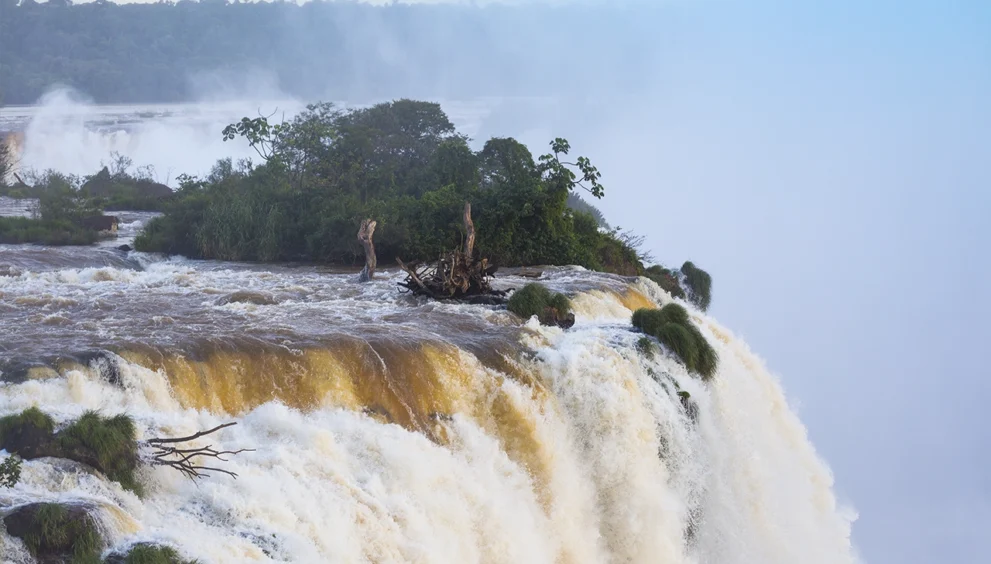
Iguazu Falls is one of the most breathtaking natural wonders on Earth. Located on the border between Brazil and Argentina, this massive waterfall system is famous for its sheer power, size, and beauty. Unlike single-drop waterfalls, Iguazu consists of hundreds of cascading falls stretching across a vast area. The thunderous sound of falling water and the constant mist rising into the air create an unforgettable natural experience that attracts visitors from around the world.
Where Iguazu Falls Is Located
Iguazu Falls lies on the Iguazu River, forming a natural border between Argentina’s Misiones Province and Brazil’s Paraná State. The waterfall system is surrounded by dense subtropical rainforest, which adds to its dramatic scenery. Both countries protect the area through national parks, ensuring the preservation of this unique natural environment. The location makes Iguazu Falls one of the most accessible major waterfalls in South America.
Size and Scale of Iguazu Falls
Iguazu Falls is one of the largest waterfall systems in the world. It stretches nearly 2.7 kilometers wide and includes around 275 individual waterfalls, depending on water levels. Some drops reach heights of over 80 meters, making them taller than Niagara Falls. The immense width and volume of water flowing through Iguazu create a visual spectacle unmatched by most waterfalls on Earth.
The Devil’s Throat
The most famous section of Iguazu Falls is known as the Devil’s Throat. This U-shaped chasm is where a massive volume of water crashes down with incredible force. Standing near the Devil’s Throat, visitors often experience powerful vibrations and thick mist rising from below. This section represents the raw energy of nature and is considered the highlight of the entire waterfall system.

How Iguazu Falls Was Formed
Iguazu Falls was formed millions of years ago through volcanic activity and erosion. Lava flows created layers of hard basalt rock, while the river gradually carved its way through weaker sections. Over time, erosion caused the river to retreat upstream, forming the series of waterfalls seen today. The ongoing natural process means Iguazu Falls continues to change shape slowly over time.
Wildlife and Rainforest Ecosystem
The area surrounding Iguazu Falls is part of the Atlantic Rainforest, one of the most biodiverse ecosystems on the planet. The forest is home to jaguars, monkeys, toucans, butterflies, and countless plant species. The constant moisture from the waterfalls creates ideal conditions for lush vegetation. Iguazu Falls supports not only scenic beauty but also a rich and fragile ecosystem.
Climate and Seasonal Changes
Iguazu Falls looks different throughout the year. During the rainy season, water volume increases dramatically, making the falls even more powerful. In drier months, individual waterfalls become more visible, revealing rock formations and smaller cascades. Each season offers a unique perspective, but the waterfall remains impressive year-round.
Cultural and Historical Significance
Iguazu Falls has long been important to Indigenous communities in the region. Local legends describe the falls as a place of spiritual significance and natural power. European explorers later brought international attention to the falls, turning them into a symbol of South America’s natural heritage. Today, Iguazu Falls represents both cultural history and environmental importance.
Conservation and Protection
Both Argentina and Brazil have designated Iguazu Falls as protected national parks. Conservation efforts focus on preserving wildlife habitats, controlling tourism impact, and maintaining water quality. Sustainable tourism practices help ensure that future generations can continue to experience this natural wonder without damaging the ecosystem.
Why Iguazu Falls Is a Must-See Natural Wonder
Iguazu Falls stands out because of its scale, power, and surrounding natural beauty. The combination of massive waterfalls, tropical rainforest, and diverse wildlife makes it one of the most complete natural attractions in the world. Visitors often describe it as a place where nature’s strength and beauty are fully on display.
Iguazu Falls in a Changing World
Climate change and environmental pressures pose challenges for natural wonders worldwide. Changes in rainfall patterns could affect water flow in the future. Protecting Iguazu Falls highlights the importance of global conservation efforts and responsible interaction with nature.
The Lasting Impact of Iguazu Falls
Iguazu Falls leaves a lasting impression on everyone who visits. Its roaring water, mist-filled air, and endless cascades remind humanity of the planet’s incredible natural power. As one of the world’s greatest waterfalls, Iguazu Falls continues to inspire awe and respect for nature.
References
https://whc.unesco.org/en/list/303
https://www.britannica.com/place/Iguazu-Falls
https://www.nationalgeographic.com/travel/world-heritage/iguazu-national-park
https://www.worldatlas.com/places/iguazu-falls.html