
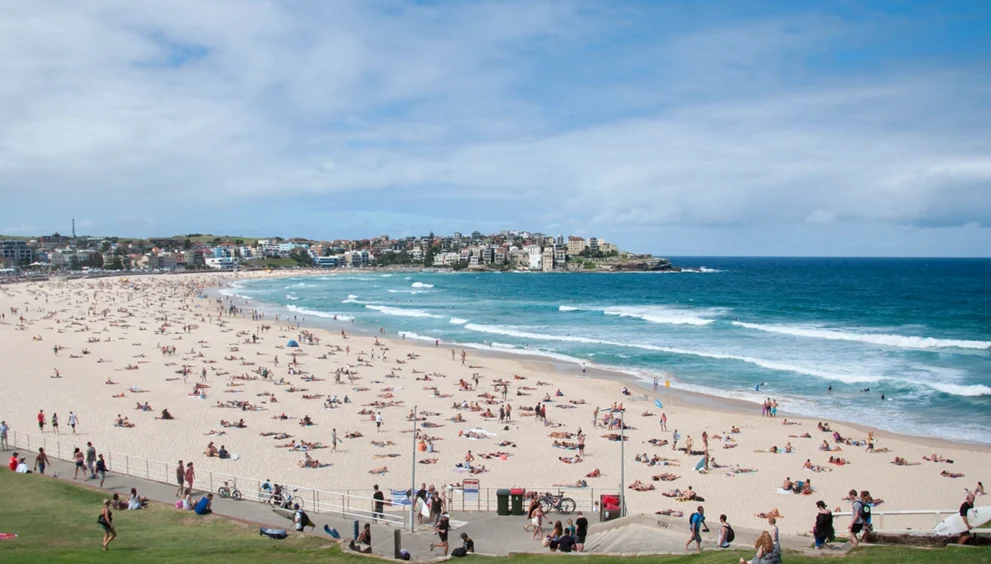
Bondi Beach is one of the most famous beaches in Australia and one of the most recognisable coastal locations in the world. Located just seven kilometres east of Sydney’s city centre, this sweeping crescent of golden sand is far more than a tourist attraction. Bondi is a natural coastal system shaped by wind, waves, and time, offering a unique blend of ocean power, geological history, and human connection.
While Bondi is often associated with surfing and beach culture, its true value lies in its natural landscape. The beach and surrounding headlands form part of a dynamic coastal environment that continues to evolve. This guide explores Bondi Beach as a natural place, explaining its formation, ecosystem, seasonal changes, and the importance of preserving one of New South Wales’ most treasured shorelines.
Where Bondi Beach Is Located
Bondi Beach sits on the eastern edge of Sydney, facing the Tasman Sea. It stretches for approximately one kilometre between two rocky headlands, creating a natural bay that focuses wave energy directly onto the shore.
The beach is bordered by sandstone cliffs, coastal vegetation, and rocky platforms that reveal the geological history of the region. Despite its urban setting, Bondi remains closely connected to natural ocean systems.
The Coastal Setting
Bondi’s position exposes it to powerful ocean swells generated far across the Pacific. These swells shape the beach profile daily, moving sand along the shoreline and reshaping sandbars beneath the surface.
The headlands on either side help define the beach’s curved shape, creating areas of stronger and weaker wave activity along the shore.
How Bondi Beach Was Formed
Bondi Beach was formed over thousands of years through natural coastal processes.
Sand Movement and Wave Action
The sand at Bondi originates from offshore sources and is constantly redistributed by waves, tides, and currents. Storms can remove large volumes of sand in a short time, while calmer conditions allow the beach to rebuild naturally.
This ongoing movement means Bondi is never truly fixed. Its width, slope, and sand depth change throughout the year.
Geological Foundations
The surrounding cliffs and rocky platforms are composed mainly of Sydney sandstone, formed over millions of years. Erosion from wind and water gradually shaped the coastline, creating the bay that now holds Bondi Beach.
Rock platforms exposed at low tide reveal layers of sediment and provide insight into the area’s ancient past.
Natural Life Along Bondi Beach
Although Bondi appears heavily urbanised, it supports a range of natural life adapted to coastal conditions.
Marine Life
Beneath the waves, fish, rays, and invertebrates inhabit the nearshore waters. Sandbars and rocky reefs provide shelter and feeding grounds for marine species.
Occasionally, dolphins and whales pass offshore during migration seasons, reminding visitors that Bondi is part of a much larger marine ecosystem.
Coastal Birds
Seabirds such as gulls, terns, and cormorants are common along the beach and headlands. These birds rely on the ocean for food and use coastal areas for resting and nesting.
Their presence reflects the health of the local marine environment.
Bondi’s Seasonal Changes
Bondi Beach changes dramatically with the seasons.
Summer Conditions
During summer, warmer temperatures and consistent swells create ideal conditions for swimming and surfing. Sand coverage is often broader, and calmer weather supports beach growth.
This season also brings increased human pressure, making careful management essential.
Winter Dynamics
In winter, stronger storms and larger swells can strip sand from the beach, exposing rock platforms and narrowing the shoreline. These natural cycles are essential for long-term coastal balance.
Winter also brings migrating whales closer to shore, offering rare wildlife sightings.
The Ocean’s Power at Bondi
Bondi is known for its strong waves and changing conditions.
Rip Currents
Rip currents form naturally when water pushed onto the beach by waves flows back to sea through narrow channels. These currents are a key part of coastal circulation but pose risks to swimmers.
Understanding rips and respecting safety guidelines helps protect both people and natural systems.
Surf Zones and Sandbars
Sandbars beneath the water shape wave behaviour. Their position changes frequently, creating different surf conditions along the beach.
This constant change highlights the dynamic nature of Bondi’s coastal environment.
The Bondi to Coogee Coastal Walk
One of the best ways to experience Bondi’s natural setting is on foot.
Clifftop Views
The coastal walk follows sandstone cliffs, offering sweeping views of the ocean, beaches, and rock formations. These cliffs reveal layers of geological history shaped by erosion.
Natural Rock Pools
Along the route, natural and man-made rock pools interact with tidal flows, creating unique micro-habitats and sheltered swimming areas.
Human Interaction With Bondi Beach
Humans have long been drawn to Bondi’s coastline.
Indigenous Connections
Before European settlement, the area was home to Indigenous communities who relied on the ocean for food and cultural practices. The coastline formed part of traditional knowledge systems tied to seasons and marine life.
Modern Beach Culture
Today, Bondi is a meeting point of nature and city life. While infrastructure surrounds it, the beach itself remains governed by natural forces beyond human control.
Environmental Pressures on Bondi Beach
Like many urban beaches, Bondi faces environmental challenges.
Coastal Erosion
Storms, sea-level rise, and human interference can accelerate erosion. Managing erosion while allowing natural processes to continue is a delicate balance.
Pollution and Waste
Urban runoff and litter threaten water quality and marine life. Plastic pollution remains a concern, particularly during peak seasons.
Preservation and Coastal Management
Protecting Bondi requires thoughtful preservation strategies.
Beach Monitoring
Regular monitoring of sand movement, water quality, and marine life helps authorities respond to environmental changes.
Sustainable Tourism
Encouraging responsible behaviour, reducing waste, and respecting wildlife help maintain Bondi’s natural integrity.
Why Bondi Beach Matters
Bondi is more than a scenic beach.
A Living Coastal System
Bondi demonstrates how natural systems persist even within dense urban environments. Its survival depends on respecting natural cycles rather than attempting to control them.
A Shared Natural Heritage
As one of Australia’s most visited beaches, Bondi belongs to everyone. Protecting it ensures future generations can experience its natural beauty.
Lessons From Bondi Beach
Bondi teaches important lessons about coexistence.
Nature Cannot Be Frozen
Beaches must be allowed to change. Attempts to fix or overdevelop coastlines often cause greater harm.
Protection Through Understanding
Education and awareness foster respect. Understanding how beaches function encourages better protection.
Conclusion: Preserving an Iconic NSW Beach
Bondi Beach stands as a powerful reminder that nature and cities can exist side by side when managed with care. Its rolling waves, shifting sands, and exposed cliffs reveal a coastline shaped by time rather than design.
Protecting Bondi is not about keeping it unchanged, but about allowing it to continue its natural evolution. By respecting its rhythms and reducing human impact, Bondi Beach can remain one of New South Wales’ most iconic and enduring natural places.
References
https://www.environment.nsw.gov.au/topics/parks-reserves-and-protected-areas
https://www.sydneycoastalcouncils.com.au
https://www.australiangeographic.com.au/topics/environment/
https://www.britannica.com/place/Bondi-Beach
https://www.surfline.com/surf-report/bondi-beach