
Insects are among the most successful creatures on Earth, but some species pose serious risks to humans. While many insects are harmless or beneficial, others carry venom, spread deadly diseases, or deliver painful stings. Across forests, deserts, jungles, and even near human settlements, dangerous wild insects continue to impact millions of lives every year. Understanding these insects is essential for awareness and safety.
1. Mosquito
The mosquito is considered the deadliest insect in the world. It transmits diseases such as malaria, dengue, Zika virus, yellow fever, and West Nile virus. Millions of people die each year due to mosquito-borne illnesses. Despite its tiny size, the mosquito has had a greater impact on human history than any other insect.
2. Tsetse Fly
The tsetse fly is native to parts of Africa and is responsible for spreading African sleeping sickness. This disease affects the nervous system and can be fatal if left untreated. The fly bites during the daytime and targets both humans and animals. Its presence has shaped settlement patterns in Africa for centuries.
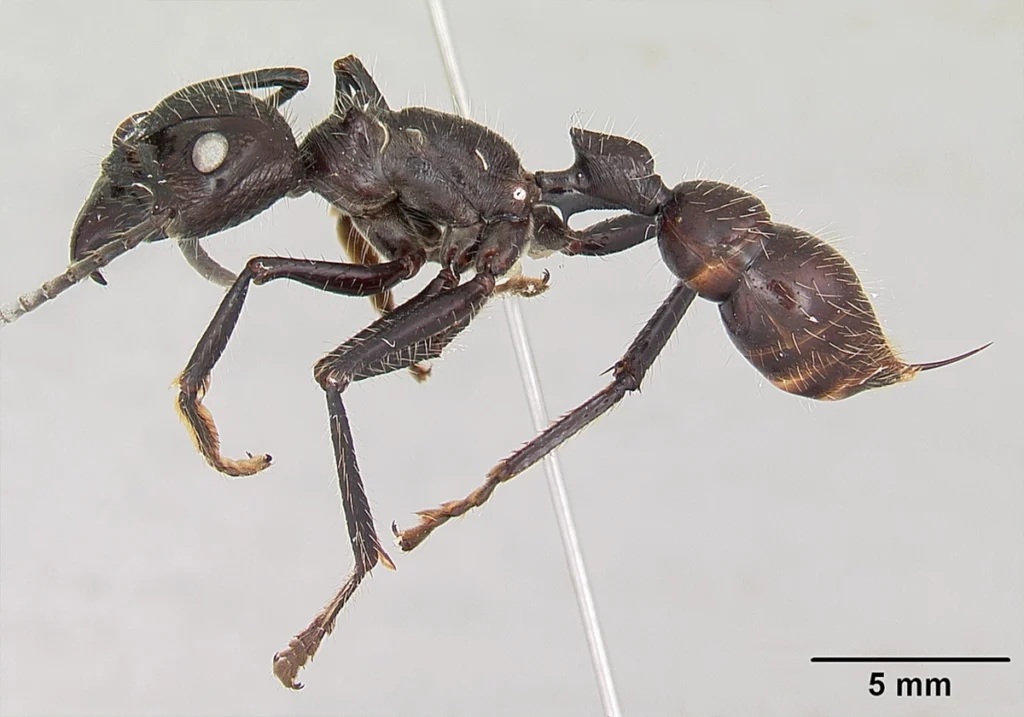
3. Bullet Ant
The bullet ant delivers one of the most painful insect stings known to science. Found in Central and South American rainforests, its sting has been compared to being shot by a bullet. The pain can last for hours and cause temporary paralysis. Although rarely fatal, the intensity of the sting is extreme.
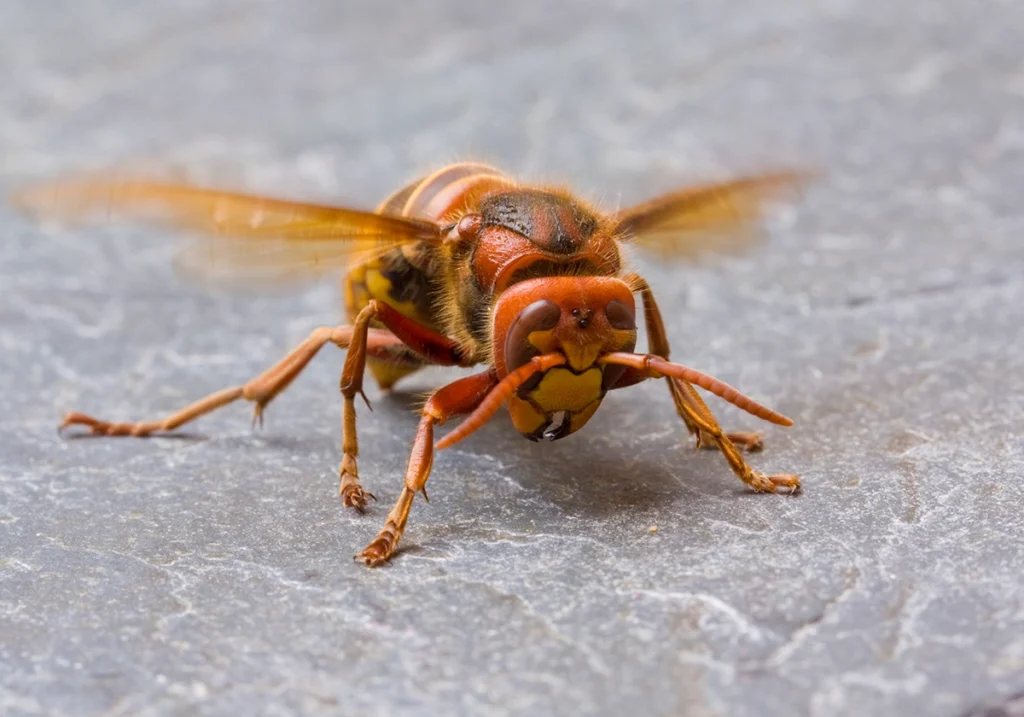
4. Asian Giant Hornet
Known as the world’s largest hornet, the Asian giant hornet has a powerful venomous sting. Multiple stings can cause severe allergic reactions, organ failure, and even death. These hornets are aggressive when threatened and can attack in groups. Their size and strength make them particularly dangerous.
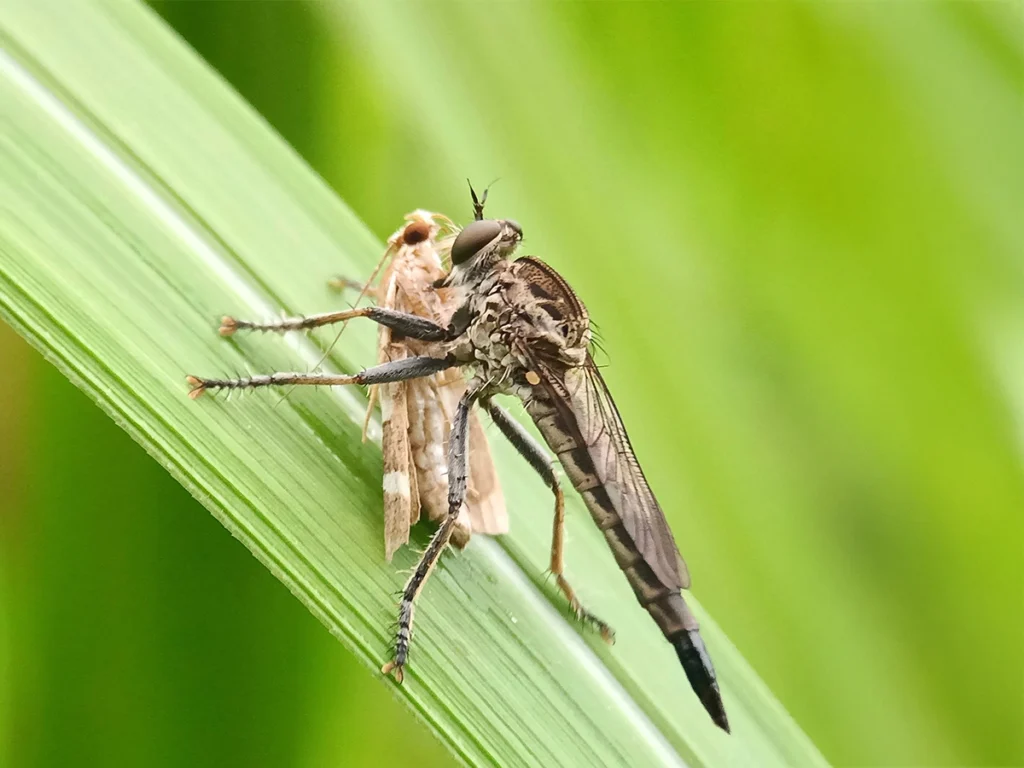
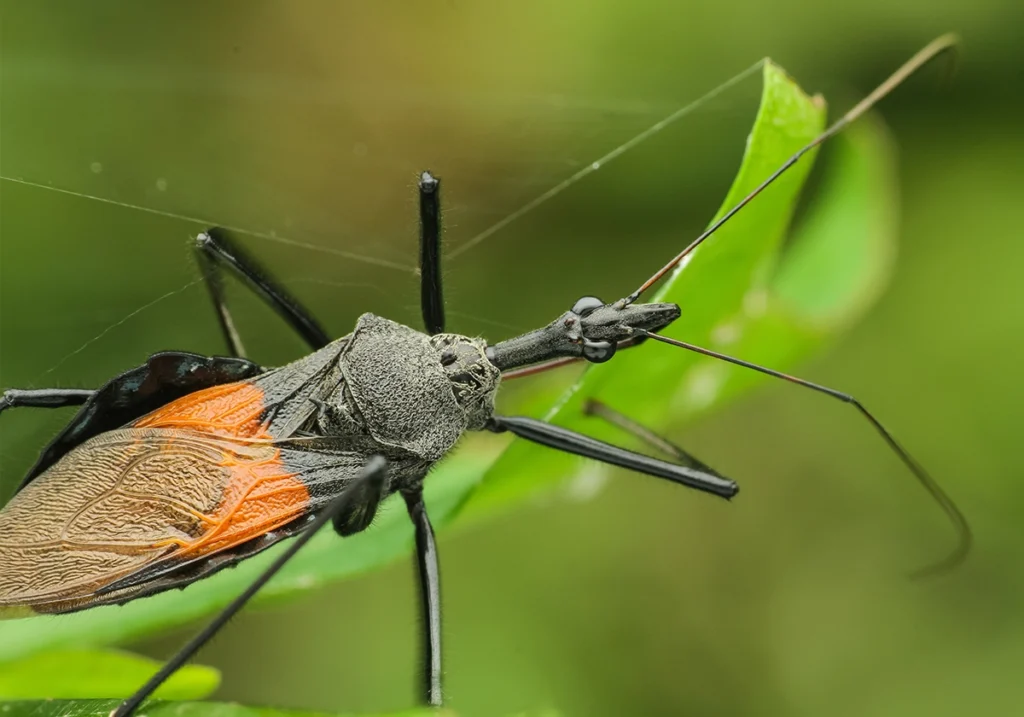
5. Assassin Bug
Assassin bugs are predators that use a sharp proboscis to pierce prey. Some species transmit Chagas disease through infected feces left near bite wounds. This disease can cause serious heart and digestive problems years after infection. Assassin bugs are most common in the Americas.
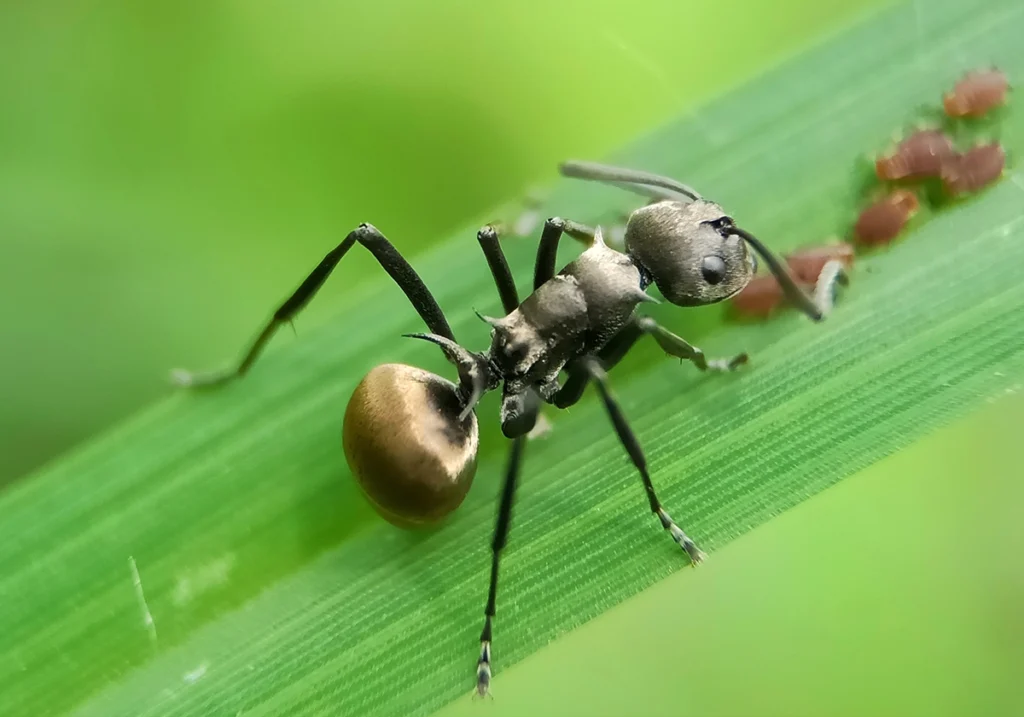
6. Driver Ant
Driver ants, also known as army ants, are found in parts of Africa. They move in massive swarms containing millions of ants. While individual ants are small, their collective strength can be deadly. They attack anything in their path, and their powerful jaws can cause severe injuries.
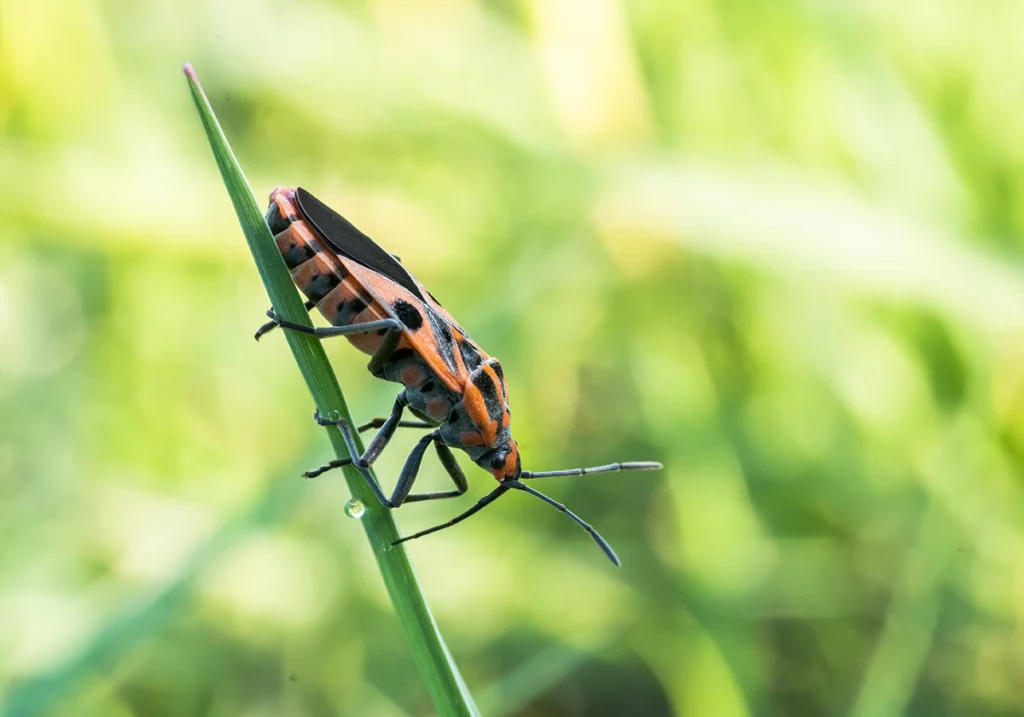
7. Kissing Bug
The kissing bug is named for its tendency to bite humans around the mouth and face. It is a major carrier of Chagas disease. Infection often goes unnoticed at first, but long-term effects can be life-threatening. These insects commonly hide in cracks of homes in rural areas.
8. Botfly
Botflies are known for their disturbing reproductive behavior. Some species lay eggs on mosquitoes, which then transfer larvae onto humans or animals. The larvae burrow into the skin and grow, causing painful swelling and infection. Removal often requires medical assistance.
9. Fire Ant
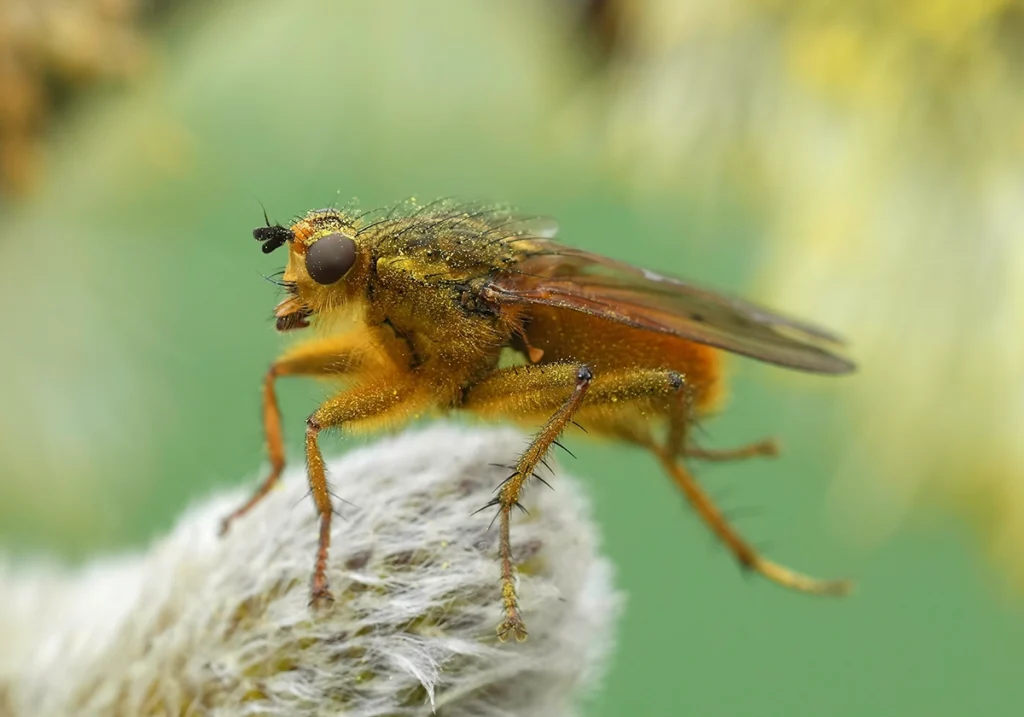
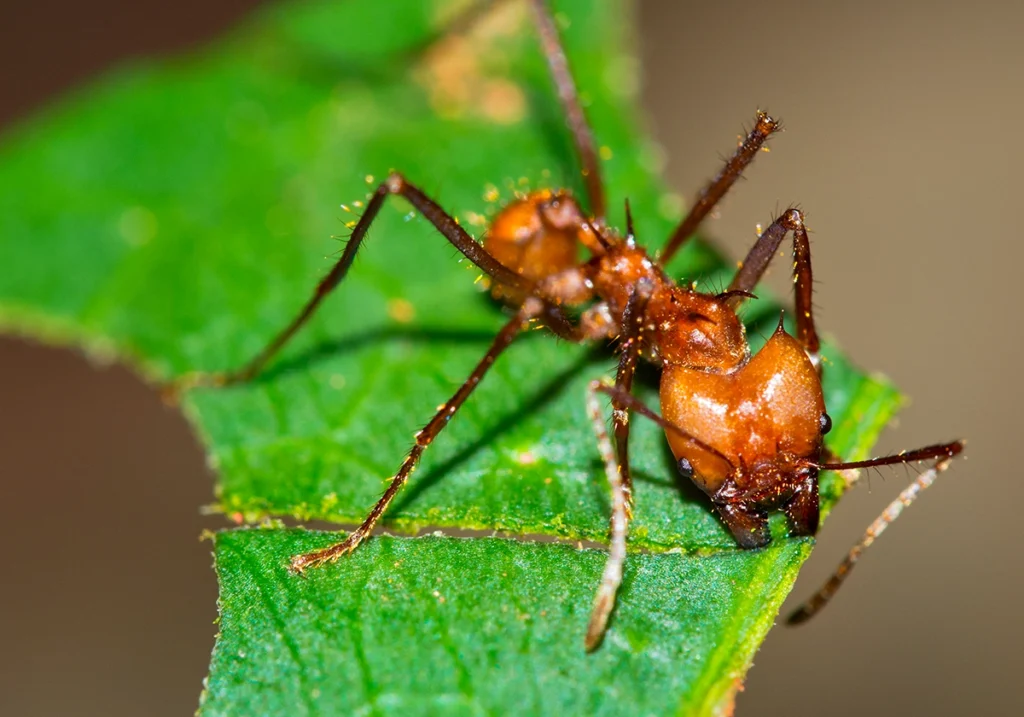
Fire ants are aggressive and attack in large numbers when disturbed. Their stings inject venom that causes burning pain, swelling, and pustules. In some cases, severe allergic reactions can occur. Fire ants are invasive and have spread rapidly across many regions of the world.
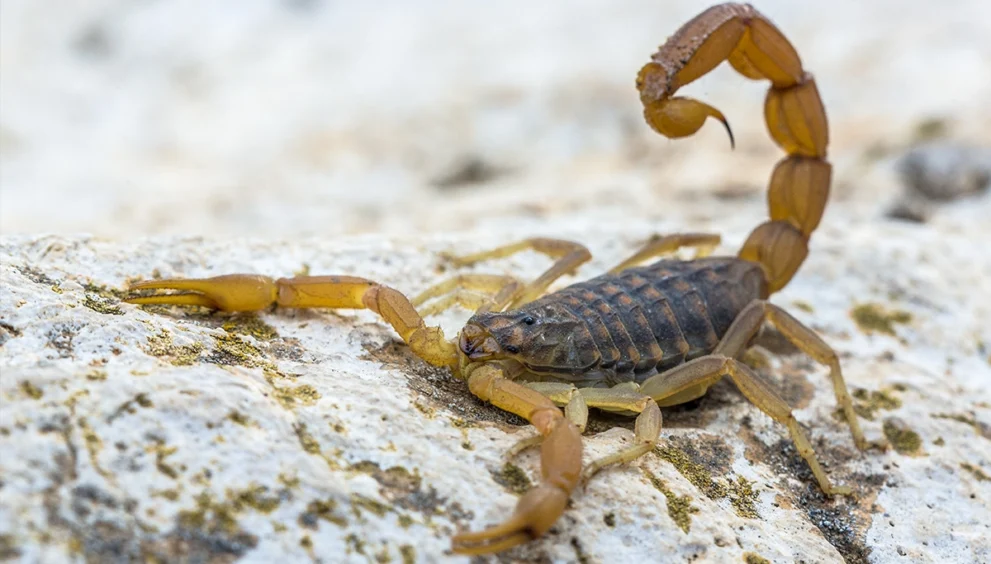
10. Deathstalker Scorpion
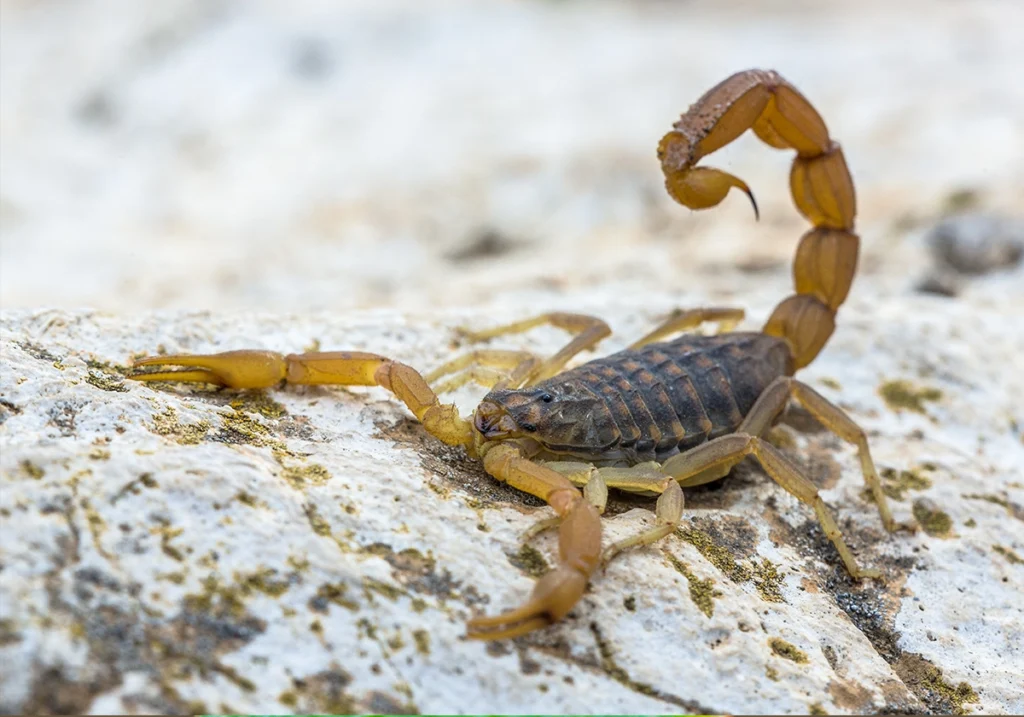
Although technically an arachnid, the deathstalker scorpion is often grouped with dangerous insects due to its threat level. Its venom contains powerful neurotoxins that can be fatal, especially to children and the elderly. Found in deserts of North Africa and the Middle East, it is considered one of the most dangerous arthropods on Earth.
Why Dangerous Insects Matter
Dangerous insects play a major role in ecosystems, but they also highlight the importance of disease control, habitat management, and public awareness. Many insect-related deaths are preventable with proper education, medical access, and environmental protection. Understanding these insects helps reduce fear while promoting safety.
Living Safely Around Wild Insects
Avoiding stagnant water, wearing protective clothing, and using insect repellents can greatly reduce risk. In regions where dangerous insects are common, education and early treatment save lives. Coexisting with nature requires respect for even its smallest and most dangerous creatures.
Conclusion
From disease-carrying mosquitoes to venomous ants and hornets, dangerous wild insects have shaped human survival for centuries. While they are often feared, these insects are part of Earth’s complex ecosystems. Awareness and knowledge remain the best defense against their hidden dangers.
References
https://www.who.int/news-room/fact-sheets/detail/vector-borne-diseases
https://www.cdc.gov/parasites
https://www.britannica.com/animal/mosquito-insect
https://www.nationalgeographic.com/animals/invertebrates
“Bullet Ant (Paraponera clavata)” by AntWeb / California Academy of Sciences (photograph by ©︎AntWeb / California Academy of Sciences), licensed under Creative Commons Attribution 4.0 International (CC BY 4.0) — https://creativecommons.org/licenses/by/4.0/ (via Wikimedia Commons).