
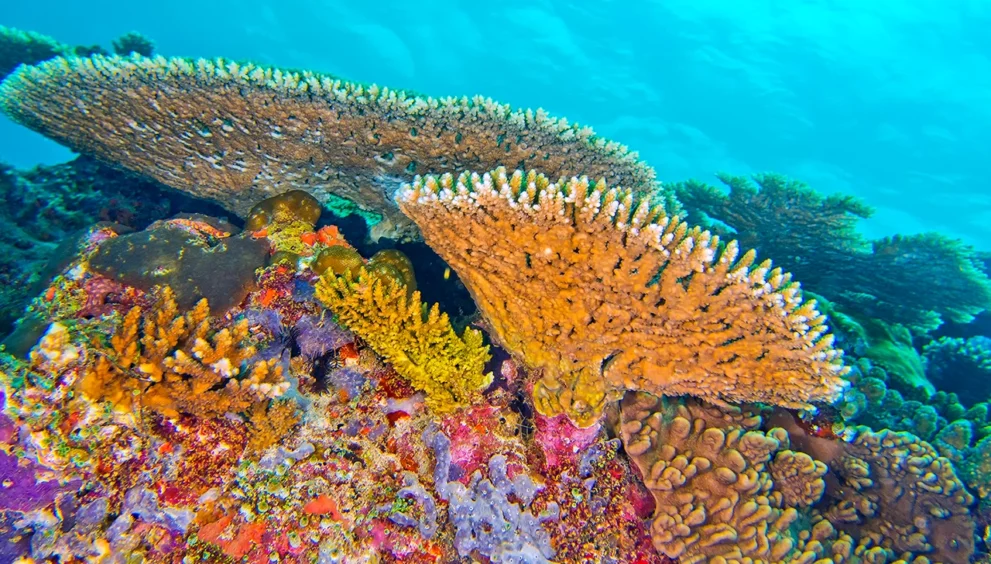
The Great Barrier Reef is the largest living structure on Earth, stretching for over 2,300 kilometres along Australia’s north-eastern coast. Visible from space and rich in marine life, it has long been considered one of nature’s greatest achievements. Yet today, this vast ecosystem faces a growing environmental crisis that threatens its very existence. Coral bleaching, driven largely by climate change, is causing widespread damage across the reef, turning once-vibrant coral systems into pale, weakened structures struggling to survive.
This issue is not a distant environmental concern. It is happening now, affecting biodiversity, coastal communities, and the natural balance of the ocean. Understanding coral bleaching and its impact on the Great Barrier Reef is essential to understanding the broader consequences of human activity on the planet.
What Is Coral Bleaching?
Coral bleaching occurs when corals lose the tiny algae living within their tissues. These algae, known as zooxanthellae, provide corals with colour and most of their energy.
When ocean temperatures rise beyond normal levels, corals experience stress and expel these algae. Without them, corals turn white, lose their primary food source, and become far more vulnerable to disease and death.
Why Bleaching Is So Dangerous
Bleaching does not always kill coral immediately, but it severely weakens it. Prolonged or repeated bleaching events reduce a coral’s ability to recover, reproduce, and resist other environmental pressures.
If temperatures remain high, bleached corals often die, leaving behind lifeless reef structures that no longer support marine ecosystems.
Why the Great Barrier Reef Is Especially Vulnerable
The Great Barrier Reef’s size and complexity make it incredibly valuable but also difficult to protect.
Rising Sea Temperatures
Global warming has caused ocean temperatures to rise steadily over recent decades. Even small increases of one to two degrees can trigger bleaching events.
Marine heatwaves have become more frequent, exposing large sections of the reef to prolonged thermal stress.
Shallow Water Exposure
Much of the Great Barrier Reef exists in shallow waters where temperature changes occur more rapidly. These conditions increase the likelihood of bleaching during warm seasons.
The Scale of the Damage
Bleaching events on the Great Barrier Reef have occurred multiple times in recent years, affecting vast areas.
Widespread Coral Loss
Large sections of the reef have experienced severe bleaching, with some areas losing a significant percentage of coral cover. Recovery is uneven, with some regions showing resilience while others continue to decline.
Repeated bleaching events prevent long-term recovery, gradually transforming complex coral systems into simplified environments.
Loss of Biodiversity
Coral reefs support thousands of marine species. When coral structures collapse, fish, invertebrates, and other organisms lose shelter, breeding grounds, and food sources.
This loss of biodiversity affects the entire marine food web, extending far beyond the reef itself.
Human Activities Driving the Crisis
While coral bleaching is a natural process, its current scale is largely driven by human influence.
Climate Change and Carbon Emissions
The primary cause of rising ocean temperatures is the increase in greenhouse gases from burning fossil fuels. As the planet warms, oceans absorb much of this heat, intensifying stress on coral systems.
Without significant reductions in emissions, bleaching events are expected to become more frequent and severe.
Water Pollution
Runoff from agriculture and coastal development introduces sediments, nutrients, and chemicals into reef waters. This pollution reduces water quality, making corals more susceptible to stress and disease.
Poor water quality limits coral recovery even after temperatures return to normal.
Overfishing
Removing key species from reef ecosystems disrupts the natural balance. Herbivorous fish play a crucial role in controlling algae growth. When these fish decline, algae can overgrow reefs, preventing coral regeneration.
Ecological Consequences Beyond the Reef
The decline of the Great Barrier Reef has implications far beyond coral loss.
Impact on Marine Life
Many species depend on coral reefs at different stages of their life cycles. Juvenile fish, in particular, rely on reefs for protection.
As reef structures degrade, survival rates drop, affecting fish populations across wider ocean regions.
Coastal Protection Loss
Healthy reefs act as natural barriers, reducing wave energy and protecting coastlines from erosion and storms.
Damaged reefs provide less protection, increasing the vulnerability of coastal communities to extreme weather events.
Economic and Cultural Impacts
The Great Barrier Reef supports industries and traditions that depend on its health.
Tourism and Employment
Tourism associated with the reef generates billions of dollars and supports thousands of jobs. As reef health declines, visitor experiences change, threatening livelihoods.
Loss of coral beauty directly affects tourism demand and regional economies.
Indigenous Connections
For Indigenous communities, the reef holds cultural, spiritual, and historical significance. Environmental damage threatens not only biodiversity but also cultural heritage passed down through generations.
Can the Reef Recover?
Recovery is possible, but only under specific conditions.
Natural Resilience
Some coral species show greater tolerance to heat stress. These resilient corals may form the foundation for future recovery if conditions stabilise.
However, resilience varies across regions and species, and recovery takes decades.
Time Between Bleaching Events
For reefs to recover, they require long periods without major stress. Frequent bleaching events reduce recovery time, pushing ecosystems closer to collapse.
Conservation and Protection Efforts
Significant efforts are underway to protect the Great Barrier Reef, but challenges remain.
Marine Protected Areas
Large sections of the reef are designated as protected zones where fishing and development are restricted. These areas help reduce local pressures and support ecosystem health.
Improving Water Quality
Efforts to reduce agricultural runoff and coastal pollution aim to improve water clarity and quality, increasing coral resilience.
Research and Monitoring
Scientists use satellite data, underwater surveys, and climate models to track reef health and predict future risks. This research informs conservation strategies and policy decisions.
What Happens If Bleaching Continues?
The future of the Great Barrier Reef depends on global and local action.
Shift in Ecosystem Structure
Without intervention, coral-dominated reefs may transform into algae-dominated systems with far lower biodiversity.
Such changes would be difficult, if not impossible, to reverse.
A Global Warning
The decline of the Great Barrier Reef signals broader threats to coral reefs worldwide. What happens here reflects the future facing reefs across the planet.
How Individuals Can Help
While coral bleaching is a global issue, individual actions still matter.
Reducing Carbon Footprints
Lowering energy consumption, supporting renewable energy, and reducing emissions contribute to slowing ocean warming.
Supporting Conservation
Choosing sustainable seafood, reducing pollution, and supporting conservation organisations help protect marine ecosystems.
Raising Awareness
Public awareness drives political and corporate change. Sharing knowledge about reef decline encourages stronger environmental action.
Lessons From the Reef
The Great Barrier Reef teaches a powerful lesson about interconnected systems.
Nature’s Limits
Even vast and ancient ecosystems have limits. Pushing beyond these limits results in irreversible damage.
Responsibility and Action
Human activity created this crisis, but human action can also help slow and reduce its impact.
Conclusion: A Race Against Time
The Great Barrier Reef is still alive, but it is under severe and increasing pressure. Coral bleaching represents one of the clearest examples of how climate change affects natural systems in real time.
Protecting the reef requires immediate global action, long-term commitment, and respect for the natural world. Whether the Great Barrier Reef survives in its current form will depend on choices made today. Its future is not only a test of conservation but a measure of humanity’s willingness to protect the planet that sustains life itself.
References
https://www.gbrmpa.gov.au
https://www.unesco.org/en/articles/great-barrier-reef
https://www.nationalgeographic.com/environment/article/coral-bleaching
https://www.iucn.org/resources/issues-brief/coral-reefs
https://www.csiro.au/en/research/environmental-impacts/climate-change/coral-bleaching