
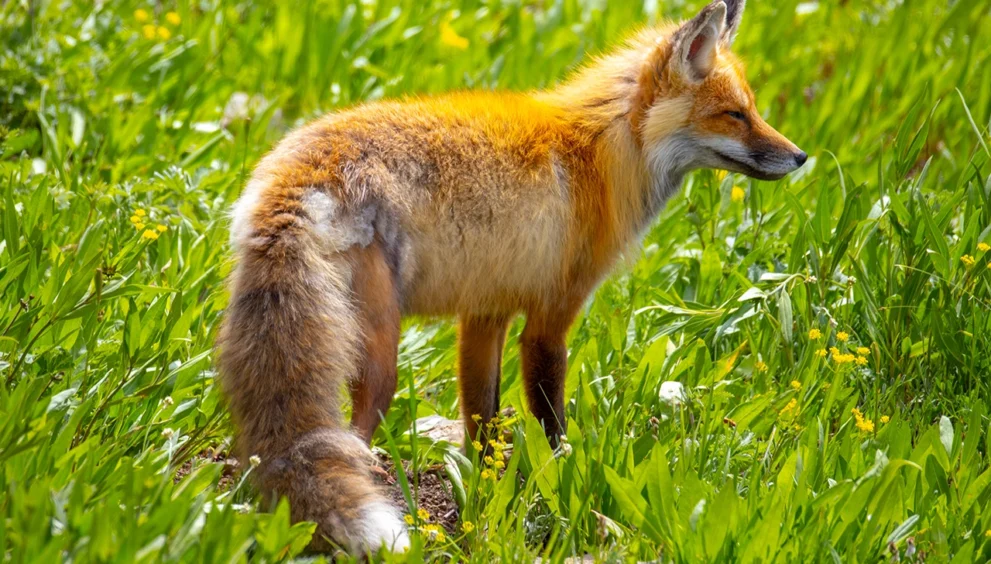
The red fox is one of the most widespread and adaptable wildlife animals on Earth. Found across Europe, Asia, North America, and parts of North Africa, this intelligent mammal has learned not only to survive but to thrive in environments shaped by both nature and humans. With its sharp senses, striking reddish coat, and clever behaviour, the red fox represents resilience in the modern natural world.
Unlike many wildlife species that struggle to cope with human expansion, the red fox has adapted to forests, farmlands, mountains, and even cities. Its continued survival offers valuable insight into how some animals adjust to environmental change while others decline.
Where the Red Fox Lives
The red fox occupies one of the largest natural ranges of any land mammal. It can be found in woodlands, grasslands, deserts, wetlands, coastal areas, and increasingly in urban environments.
This wide distribution is possible because the red fox is not dependent on a single habitat type. Instead, it uses available shelter and food sources to establish territories wherever conditions allow.
Rural and Wild Habitats
In rural areas, red foxes live in forests, hedgerows, fields, and hillsides. They dig dens known as earths, which provide shelter for resting and raising young. These environments offer natural prey such as rodents, rabbits, birds, and insects.
Urban Environments
In towns and cities, red foxes have adapted to parks, gardens, railway corridors, and abandoned spaces. They use human structures for shelter and take advantage of food waste, fallen fruit, and small urban wildlife.
Physical Characteristics and Identification
The red fox is easily recognised by its slender body, pointed ears, long bushy tail, and reddish-orange fur.
Coat and Colour
Although known as the red fox, its coat colour can vary significantly. Shades range from deep red to pale gold, with white underparts and black markings on the legs and ears. Seasonal changes affect fur thickness, with denser coats developing during winter.
Body Structure
Red foxes have lightweight frames, allowing them to move quickly and silently. Their long tails help with balance and warmth, particularly in cold climates where foxes curl their tails around their bodies while resting.
Behaviour and Daily Life
Red foxes are highly intelligent and cautious animals. Their behaviour reflects a strong ability to learn, remember, and adapt.
Nocturnal and Crepuscular Activity
Foxes are most active during dusk and dawn, although urban foxes may also be seen during daylight hours. This flexible activity pattern helps them avoid danger and locate food efficiently.
Communication
Red foxes communicate using body language, scent marking, and a wide range of vocalisations. Calls can include barks, screams, and high-pitched yelps, especially during the breeding season.
Diet and Hunting Skills
The red fox is an opportunistic omnivore, meaning it eats a wide variety of foods depending on availability.
Natural Diet
In the wild, foxes hunt small mammals such as mice, voles, and rabbits. They also consume birds, eggs, insects, frogs, and earthworms. Their keen hearing allows them to detect prey moving beneath grass or snow.
Plant-Based Food
Fruits, berries, seeds, and roots form an important part of the fox’s diet, particularly during autumn. This plant consumption helps disperse seeds across landscapes.
Urban Feeding
In urban areas, foxes feed on discarded food, compost, pet food left outdoors, and garden produce. While this adaptability aids survival, it can also increase human-wildlife conflict.
Breeding and Family Life
Red foxes form breeding pairs during winter, with cubs typically born in spring.
Raising Cubs
A female fox gives birth to a litter of cubs in an underground earth. Cubs are born blind and depend entirely on their parents during early weeks. Both parents may help provide food and protection.
Learning Survival Skills
As cubs grow, they learn hunting techniques through play and observation. This learning period is critical for survival, especially in complex environments.
The Red Fox’s Role in the Ecosystem
Despite often being misunderstood, red foxes play an important ecological role.
Controlling Prey Populations
By hunting rodents and small mammals, foxes help regulate prey numbers, reducing the spread of disease and protecting vegetation.
Supporting Biodiversity
Foxes contribute to ecosystem balance by influencing food chains. Their presence affects the behaviour and distribution of other species within their habitats.
Human Perception and Cultural History
The red fox has appeared in folklore, literature, and mythology across cultures.
Symbol of Intelligence
In many traditions, foxes are portrayed as clever and resourceful. These stories reflect real behavioural traits observed in the wild.
Conflict and Misunderstanding
Foxes have often been blamed for livestock losses, particularly poultry. While foxes may take easy prey, such conflicts are often exaggerated and can be reduced through proper animal management.
Threats Facing the Red Fox
Although not endangered, red foxes still face challenges.
Habitat Fragmentation
Urban expansion and intensive agriculture reduce natural habitats and increase road accidents. Fragmented landscapes make movement and breeding more difficult.
Hunting and Control Measures
In some regions, foxes are hunted or culled due to perceived threats to livestock or game animals. These practices can disrupt local ecosystems.
Disease
Foxes can be affected by diseases such as mange and rabies, which can spread rapidly in dense populations.
How Red Foxes Coexist With Humans
The red fox’s success largely depends on its ability to coexist with people.
Adaptation to Human Presence
Foxes learn traffic patterns, human routines, and safe areas. This awareness allows them to navigate cities with remarkable precision.
Reducing Conflict
Responsible waste management, secure poultry enclosures, and public education help reduce negative interactions between humans and foxes.
Conservation Status and Protection
The red fox is currently classified as a species of least concern.
Monitoring Populations
Wildlife organisations monitor fox populations to track changes and disease outbreaks. This monitoring helps inform conservation and management strategies.
Importance of Coexistence
Protecting foxes does not require strict isolation from humans but rather thoughtful coexistence that recognises their ecological value.
Lessons From the Red Fox
The red fox demonstrates how adaptability can be a powerful survival tool.
A Model of Resilience
Unlike species that rely on narrow habitats or specialised diets, the fox’s flexibility allows it to endure environmental change.
A Reminder of Balance
The red fox’s presence highlights the importance of balanced ecosystems where predators and prey coexist naturally.
Conclusion: A Wildlife Survivor in a Human World
The red fox is not merely surviving in today’s world; it is adapting and evolving alongside human society. Its intelligence, flexibility, and resilience make it one of the most successful wildlife animals of the modern era.
By understanding and respecting the red fox, humans can learn valuable lessons about coexistence, adaptation, and the responsibility we share in shaping the natural world. Protecting wildlife is not always about saving species from extinction; sometimes it is about learning how to live alongside them in balance.
References
https://www.britannica.com/animal/red-fox
https://www.nationalgeographic.com/animals/mammals/facts/red-fox
https://www.iucnredlist.org/species/23062
https://www.wildlifetrusts.org/wildlife-explorer/mammals/red-fox
https://www.bto.org