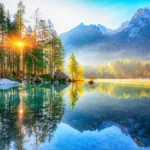

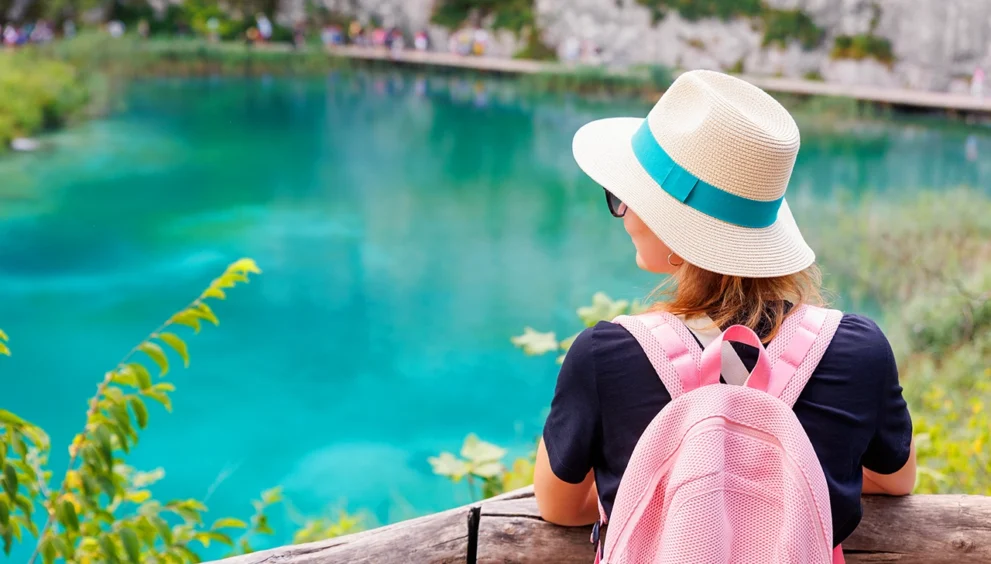
Earth is filled with natural places so stunning that they feel almost unreal. From towering mountains and endless deserts to hidden waterfalls and untouched forests, nature offers destinations that awaken curiosity and calm the mind. These places are not just visually beautiful; they tell stories shaped by time, climate, and life itself. A journey through natural landscapes is more than travel—it is an experience that reconnects people with the planet.
This guided tour explores some of the world’s most beautiful natural environments, focusing on what makes each place special, how to experience it respectfully, and why these landscapes matter for future generations.
Why Natural Places Inspire Travelers
Natural beauty has a universal appeal. Unlike cities or monuments, landscapes are constantly changing, shaped by weather, seasons, and natural forces.
Emotional Connection With Nature
Visiting natural places often creates a deep emotional response. The silence of a mountain range, the sound of waves along a coast, or the sight of a vast forest can bring peace, wonder, and perspective. These experiences remind travellers of their place within a larger natural system.
A Break From Modern Life
Natural destinations offer relief from noise, crowds, and constant digital connection. They encourage slower movement, observation, and mindfulness, allowing people to experience the world more fully.
Majestic Mountain Landscapes
Mountains are among the most powerful natural attractions on Earth. Their size, isolation, and dramatic terrain make them unforgettable.
Snow-Capped Peaks and High Valleys
Mountain ranges around the world feature towering peaks, deep valleys, and alpine lakes. These environments are shaped by glaciers, wind, and tectonic movement over millions of years. Travellers are drawn to the contrast between harsh conditions and delicate ecosystems that survive at high altitudes.
Best Ways to Experience Mountains
Guided hiking, scenic viewpoints, and nature trails allow visitors to experience the mountains safely. Respecting weather conditions, staying on marked paths, and minimising impact are essential to preserving these fragile environments.
Forests That Feel Like Another World
Forests are living systems filled with movement, sound, and life.
Ancient Forests and Old-Growth Trees
Some forests contain trees that have stood for centuries, even thousands of years. These ancient landscapes offer a sense of timelessness and provide critical habitats for countless species.
Walking Through Forest Trails
Forest trails allow travellers to explore at a gentle pace. Observing plant diversity, bird calls, and filtered sunlight enhances the experience. Guided walks often help visitors understand the ecological importance of forests.
Hidden Waterfalls and Freshwater Wonders
Waterfalls are among the most captivating natural sights, combining motion, sound, and beauty.
Remote and Lesser-Known Waterfalls
Many breathtaking waterfalls remain hidden in remote areas, accessible only by foot or guided tours. These locations offer quieter, more intimate experiences compared to heavily visited tourist sites.
Rivers, Lakes, and Springs
Freshwater landscapes support ecosystems and human communities alike. Clear lakes, winding rivers, and natural springs reflect the health of surrounding environments and are essential for biodiversity.
Coastal Landscapes and Ocean Views
The meeting point of land and sea creates some of Earth’s most dramatic scenery.
Cliffs, Beaches, and Coastal Trails
Coastal areas feature striking contrasts between rock formations, sandy shores, and open water. Tides, waves, and erosion continuously reshape these landscapes, ensuring that no visit is ever the same.
Responsible Coastal Exploration
Respecting marine life, avoiding fragile dunes, and minimising pollution help protect coastal environments. Guided tours often provide insight into local ecosystems and conservation efforts.
Deserts and Extreme Beauty
Deserts may seem empty, but they hold unique forms of beauty and life.
Vast Open Landscapes
Deserts offer wide horizons, dramatic skies, and striking rock formations. Their quiet atmosphere creates a sense of isolation and clarity rarely found elsewhere.
Life in Harsh Conditions
Despite extreme temperatures, deserts support specialized plants and animals adapted to survive with limited water. Observing these adaptations deepens appreciation for nature’s resilience.
Islands and Remote Natural Escapes
Islands often preserve ecosystems found nowhere else on Earth.
Isolated Ecosystems
Many islands host species that evolved independently, resulting in unique plants and animals. These environments are especially sensitive to human impact.
Exploring Islands Responsibly
Limiting waste, respecting wildlife boundaries, and supporting local conservation programs help protect island environments for future visitors.
Natural Places That Change With the Seasons
Some landscapes transform dramatically throughout the year.
Seasonal Colour and Climate Shifts
Autumn forests, frozen lakes, blooming valleys, and shifting coastlines offer new perspectives depending on the season. Travelling during different times of the year reveals nature’s dynamic cycles.
Planning a Seasonal Visit
Understanding seasonal conditions helps travelers prepare safely and appreciate each destination’s unique character.
Why Protecting Natural Places Matters
The beauty of natural landscapes is closely tied to their health.
Impact of Tourism
Uncontrolled tourism can damage fragile environments through erosion, pollution, and habitat disruption. Responsible travel ensures that natural beauty remains intact.
Supporting Conservation Through Travel
Choosing eco-friendly tours, respecting guidelines, and learning about local ecosystems helps protect natural places while still allowing people to experience them.
How to Travel as a Nature Guide Would
A tour-guide approach emphasizes respect, learning, and awareness.
Observe More, Disturb Less
Taking time to observe without interfering preserves the natural balance. Quiet observation allows wildlife to behave naturally.
Learn the Story of the Land
Every landscape has a geological and ecological history. Understanding these stories enriches the travel experience and builds appreciation for nature’s complexity.
Conclusion: Nature as the Ultimate Destination
Beautiful natural places are more than scenic backdrops. They are living systems shaped by time, climate, and life itself. Travelling through nature offers inspiration, education, and connection, reminding us of Earth’s beauty and fragility.
By approaching natural travel with curiosity and respect, people can enjoy unforgettable experiences while helping preserve these landscapes for generations to come. Nature welcomes visitors, but it also depends on them to act as caretakers rather than conquerors.
References
National Geographic Travel and Nature
UNESCO World Heritage Natural Sites
World Tourism Organization – Sustainable Travel
International Union for Conservation of Nature
Encyclopedia Britannica – Natural Landscapes